Hello! Welcome to my Page
The purpose of this page is to provide an easy-to-understand guidance on how to care for your peripherally inserted central catheters (PICC lines) and prevent possible bloodstream infections
What is a PICC line?
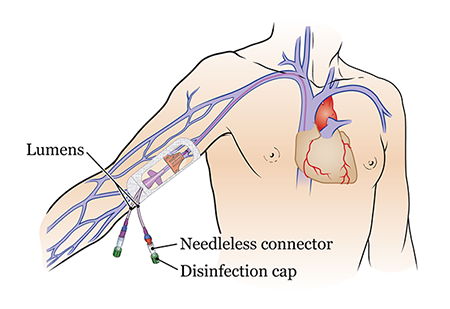
A PICC line is a long, flexible tube inserted into the right upper arm to deliver medications like chemotherapy or long-term antibiotics or liquid nutrition. Benefits to having the catheterized line is for medications like chemotherapy or antibiotics, fluids or nutrition to be delivered over a long period of time without repeated needle sticks and provide a site for blood to be drawn from in clinical settings. Patients are able to be sent home with their PICC line to receive treatment from the comfort of their own home and ensures treatment is fully completed. Patient’s must assume responsibility for caring for their PICC line at home and make adjustments to daily life.
Why does Infection Prevention matter?
According to the CDC, central line-associated bloodstream infections (CLABSIs) result in thousands of preventable deaths each year and billions of dollars are added to the United States healthcare system. In fact, a CDC report in 2009 determined an estimated 18,000 CLABSIs occurred in ICU settings in the US with a mortality rate of being around 12-15%. The importance of preventing infection is incredibly high to ensure patient’s remain healthy and the US healthcare system is left unburdened from unnecessary healthcare resources.
Link to CDC Infection Control Guidelines
Best Preventative Care Methods to Practice
Infection prevention is put onto the patient as their responsibility, so it is important for patients to have the necessary tools to ensure they are taking care of themselves properly. However, it is important to note any signs of discomfort or redness as it could be an issue with the insertion technique performed by a medical professional
- Wash hands frequently before touching the line or changing the dressing
- Keep dressing clean and dry, especially when showering or bathing
- Never use scissors near the line or alter it at any time
- Report signs of infection such as redness, tenderness, swelling or fever to your physician IMMEDIATELY