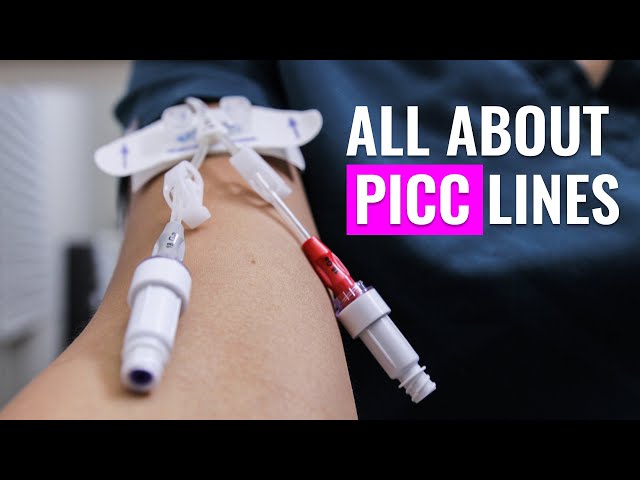
Central-line associated bloodstream infections occur between 0.5 to 10 per 1,000 catheter days which not only affects the lives of patients but can place a burden on the healthcare system with longer hospital stays and long-term antibiotic treatment
Educational interventions repeated weekly for 1.5 to 2 months for the entire duration of the PICC line placement, were often associated with a reduction of risk of complications and infections. Digital tools, written documents, videos and PowerPoint presentations are all educational methods implemented by healthcare professionals to their patients that provided positive impacts towards keeping patients healthy while using undergoing catheterized treatments. Involving patients as stakeholders in the development of educational interventions is essential to meet their expectations and adapt the messages conveyed. Enabling patients to contribute to their own care as well as keeping patient’s educated about necessary medical terminology significantly impacts their quality of life and care.
- Contact your home care nurse or doctor immediately if:
- Your temperature is greater than 100.4 degrees Fahrenheit
- You have any of the following symptoms around the area where the PICC enters the skin:
- Pain in your arm
- Bright red blood, or drainage of any color, under the dressing
- Redness, tenderness, or swelling
- Swelling in your neck, hand, fingers, and/or upper arm
- You notice any of the following problems with your PICC:
- A tear or break in the PICC
- Leaking of fluid or medication from around the PICC at the point where it enters your skin
- You are having trouble flushing the PICC or are unable to do so
- The PICC line seems longer than it was, from the point of insertion to the catheter hub, or the line seems to have been partially or completely “pulled out”
[qdeck]
[q] Fill in the blank. When your temperature is higher than ____, then you should call your doctor or home health nurse.
[a] 100.4 degrees Fahrenheit
[q] True or False. If you have redness, tenderness, or swelling or drainage of any color from your PICC line insertion site, you need to contact your doctor immediately.
[a] True
[q] It is important to take care of your PICC properly, to avoid infection. Infection can happen when germs enter the blood through the:
[a] • Puncture site while the PICC is being inserted • Infusion line at the point the PICC enters the skin • Caps at the end of the PICC • IV fluid, medication, or other treatment that is put through the PICC
[q] How do I care for my PICC line at home?
[a] 1. Changing the PICC dressing 2. Protecting your PICC line when taking a shower 3. Flushing the PICC, either with or without giving an infusion treatment
[q] What is the purpose of flushing the PICC line?
[a] Flushing the PICC will keep the catheter from clotting so you can receive treatment. The catheter is flushed with sterile saline solution; in some patients, heparin may be used.
[/qdeck]
Leave a Reply